Tips & Insights for Commercial Architecture Services
Progressive Architecture Concepts: Discovering the Advantages of Professional Architecture Services
Innovative architectural concepts are instrumental in influencing contemporary spaces. When focusing on sustainability and functionality, building professionals can build settings that address the needs of communities. The integration of eco-conscious resources and smart solutions optimizes resource consumption while encouraging community engagement. As these innovations progress, they align with user requirements and reflect cultural traditions. A key inquiry persists: to what extent do these aspects merge to revolutionize our metropolitan spaces and uplift community standards?
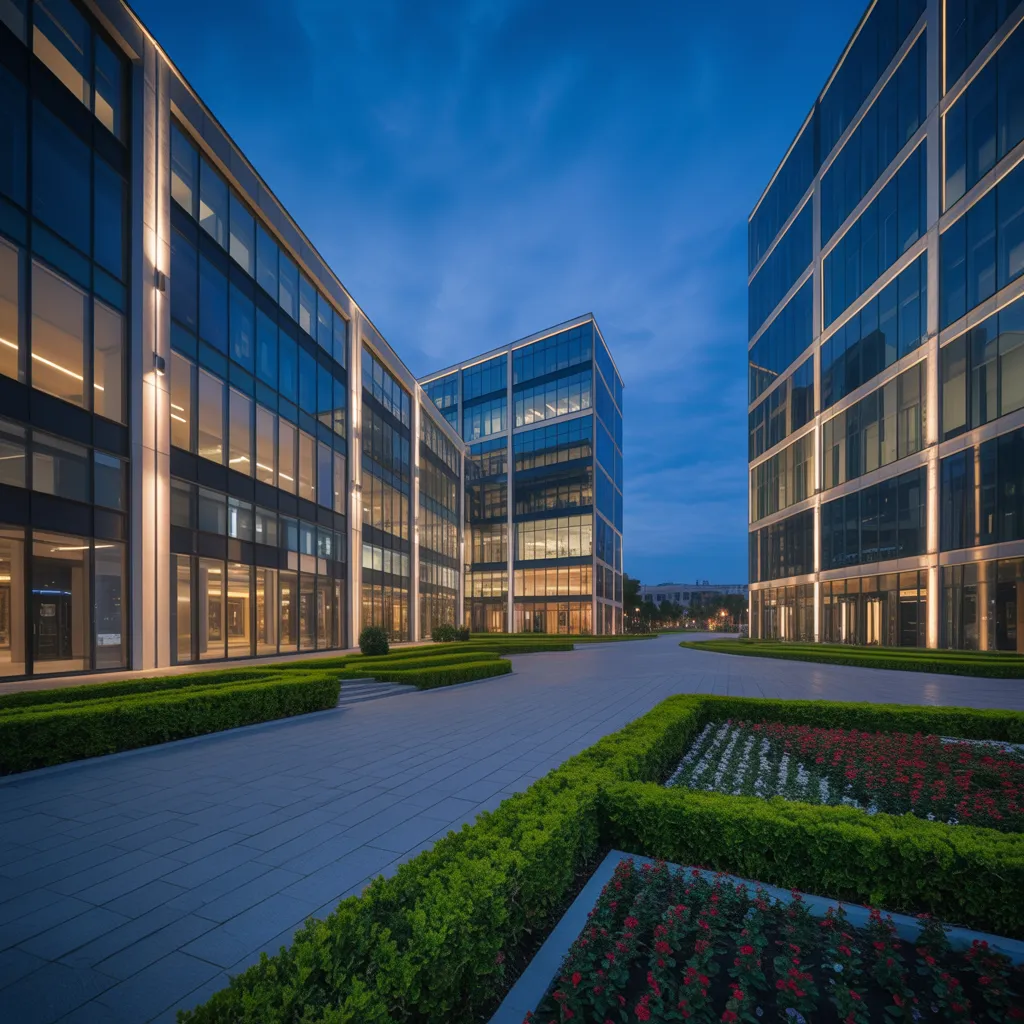
The Role of Architects in Creating Sustainable Spaces
Architects hold a crucial role in the development of eco-friendly environments, substantially affecting the environmental outcome of constructed spaces. Their knowledge enables the incorporation of eco-friendly materials, energy-efficient systems, and creative design strategies that limit resource expenditure. By emphasizing sustainable practices, architects have the capacity to design structures that minimize greenhouse gas output and strengthen overall energy effectiveness.
Partnership with engineers and environmental specialists is crucial in this endeavor, guaranteeing that designs meet both aesthetic and functional criteria while adhering to sustainable practices. Additionally, architects thoughtfully evaluate the surrounding ecosystem, fostering biodiversity and weaving in natural components that cultivate a symbiotic bond between man-made structures and the natural world.
Through deliberate strategy, architects promote the use of clean energy alternatives, such as wind or solar energy, which also supports environmental goals. Ultimately, their influence stretches well past construction; architects shape the future of urban landscapes by fostering a commitment to environmental stewardship and responsible design.
Leading Innovations in Architectural Design That Boost Functionality
Many advancements in building design are transforming the way modern spaces function. A notable innovation is the implementation of advanced technology, allowing buildings to adapt to users' needs through matching information automated illumination, climate management, and security solutions. Such advancements boost both energy performance and the overall comfort of users.
Furthermore, modular construction approaches are growing in prominence, allowing for quicker assembly and enhanced design flexibility. These structures can be easily reconfigured or expanded, making them appropriate for numerous functions.
The concept of biophilic design, which incorporates organic components into architectural design, promotes productivity and well-being, nurturing a bond between inhabitants and the spaces they inhabit.
Additionally, open floor plans are increasingly popular, creating versatile spaces that can accommodate a variety of activities.
Additionally, eco-friendly materials are being employed not only for their environmental benefits but also for their aesthetic appeal and durability, enhancing the overall functionality of modern structures. These innovations collectively contribute to more adaptable and efficient architectural solutions.
How Design Unites Communities
Design plays a pivotal role in cultivating bonds within communities, creating spaces that encourage interaction and communication among inhabitants. Thoughtfully designed green spaces, open areas, and community zones serve as indispensable social hubs, encouraging public participation and a sense of belonging. Design elements such as flexible arrangements and versatile areas facilitate possibilities for local activities and initiatives, elevating the overall quality of life.
Additionally, designs that integrate local heritage and history cultivate a distinctive identity, enabling residents to develop a stronger connection to their environment. By emphasizing accessibility and inclusivity, architects guarantee that everyone, regardless of age or ability, can be involved in community life.
The incorporation of natural features, such as green spaces and recreational areas, further enriches the community experience, giving residents a retreat and an area for mutual enjoyment. At its core, deliberate architectural design not only transforms physical spaces but also strengthens the bonds that hold communities together.
Enhancing Energy Efficiency With Professional Architecture
A significant shift in favor of sustainable energy use is transforming the architectural landscape, driving the development of innovative solutions that minimize ecological footprint. Expert architecture services have a critical part in this shift by incorporating green methodologies into the design process. These architecture specialists assess energy usage trends and utilize high-quality materials, such as high-performance insulation and thermally efficient windows, to lower climate control requirements.
Furthermore, the integration of sustainable energy solutions, like solar installations and geothermal technologies, not only reduces fossil fuel consumption but also decreases operational costs for building owners. Intelligent building systems continue to boost energy utilization, providing real-time monitoring and adjustments to energy use.
Through meticulous planning and innovative design, expert architects create spaces that not only adhere to rigorous environmental standards but also promote long-term sustainability. This emphasis on energy efficiency ultimately contributes to a greener planet and more robust communities, reinforcing the critical role of architecture in combating climate change.
Thriving Urban Landscape Makeovers
One striking instance involves the revitalization of derelict waterfronts into vibrant recreational areas, featuring cultural installations, walking paths, and green parks. Such developments serve to enhance the landscape while also boosting surrounding economies by attracting visitors and businesses.
Additionally, effective urban design considers the distinctive characteristics of a district, ensuring that every transformation reflects its history and identity. This personalized method cultivates a feeling of community among local inhabitants, motivating responsible management of the space. At its core, impactful urban transformations showcase the ability of architecture to reinvent how cities are experienced and support environmentally conscious communities.
What's Next for Innovative Architecture?
How can innovative architecture continue to adapt and respond to the evolving needs of society? With urban landscapes becoming ever more intricate, architects face the critical task of tackling key challenges including sustainability, affordability, and social equity. Emerging technologies, including artificial intelligence and advanced materials, offer new avenues for design, enabling more efficient construction processes and enhanced energy performance.
In addition, architects are progressively partnering with a wide range of stakeholders, from local residents to sustainability professionals, confirming that blueprints represent the principles and demands of those they serve. This engagement-driven process builds resilience, empowering constructions to withstand shifting climatic factors and social requirements.
Furthermore, the integration of principles of biophilic design supports overall well-being, bridging the gap between inhabitants and the natural environment. As architecture continues to evolve, the focus on groundbreaking solutions will remain a top priority, propelling the industry to design environments that are as functional as they are transformative for coming generations.
Answers to Your Most Common Questions
How Do Architects Work Together With Engineers on Projects?
Engineers and architects work together by combining design principles with technical specifications, maintaining structural stability and operational efficiency. Scheduled meetings promote effective dialogue, permitting both parties to resolve issues and improve project results through collaborative knowledge and creative approaches.
What Are the Costs Associated With Hiring an Architect?
The expenses involved in engaging an architect commonly consist of design fees, project management expenses, and potential additional charges for site visits or consultations. These fees can fluctuate substantially based on project complexity and location.
What Is the Typical Duration of the Architectural Design Process?
The architecture design workflow usually spans a few months, subject to the complexity of the project and client needs. Considerations like permit approvals, design revisions, and coordination with contractors can further impact the entire project schedule, commonly adding considerable time to the process.
Can Architects Help With Zoning and Permit Applications?
Yes, architects offer support for zoning regulations and permit submissions. Their professional skills help address complicated regulatory requirements and establishes compliance with local codes, streamlining the process and improving the chances of receiving the needed permits for development projects.
What Qualifications Should I Look for in an Architect?
When choosing an architect, it is important to prioritize qualifications such as education, licensing, experience in relevant projects, effective communication abilities, and a portfolio demonstrating creativity and problem-solving ability. Specializations may also be relevant depending on project needs.